moment mori.

Austin Pets Alive! Volunteer Program

Austin Pets Alive! connects volunteers with work involving animal care, adoption support, shelter operations and other roles. People begin through an application and orientation process, then learn about the preparation associated with the role they are considering. The experience involves joining the organized work around animals and the people caring for them. Different roles bring different tasks and settings, so exploring those choices is part of finding a suitable connection.

The organization documents work serving Austin pets and people; some volunteer roles are remote or at other locations. Confirm the setting for your role.
Follow keeps a connection in your feed and Mosaic. Bookmark keeps a page for later. Update notifications are not active yet.

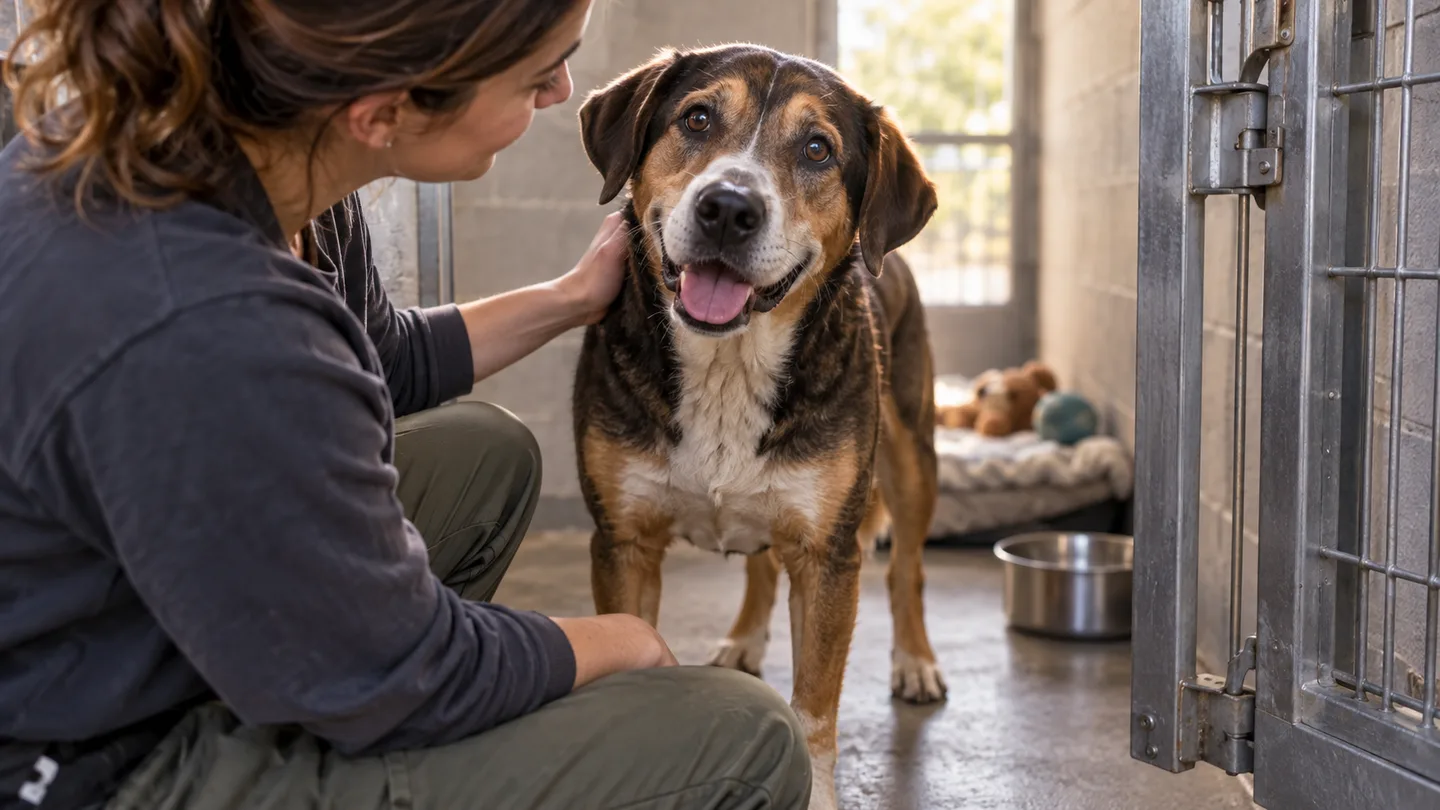
Austin Pets Alive! Volunteer Program — AI-generated thematic illustration

Plan your connection

Services
Animal-care roles include dog walking and enrichment, cat care, adoption and foster support, and trained medical-support tasks.
How to apply
Use the official Get Started pathway and review the volunteer FAQs to choose a role and complete its onboarding.
How to take part
Remote and in-person opportunities are listed; access and training depend on the role.

The work in practice

Austin Pets Alive! connects volunteers with work involving animal care, adoption support, shelter operations and other roles. People begin through an application and orientation process, then learn about the preparation associated with the role they are considering. The experience involves joining the organized work around animals and the people caring for them. Different roles bring different tasks and settings, so exploring those choices is part of finding a suitable connection. Volunteering can put someone close to day-to-day animal care or help support the wider activity involved in introducing animals to prospective adopters and keeping that work moving.

Why this work matters

A pet can be part of a household's deepest sense of home. When care becomes difficult, the problem may involve money, housing, transportation, or access to suitable help rather than a lack of affection. At the same time, affection alone cannot meet every animal's needs. Humane decisions require attention to safety, appropriate care, and the limits of the situation. Supporting animal welfare means holding these realities together: respecting the people involved while keeping the animal's well-being central. It also means avoiding easy judgments about families in difficulty or assuming that the most emotionally compelling story always points to the most appropriate response.

Location & context

The organization documents work serving Austin pets and people; some volunteer roles are remote or at other locations. Confirm the setting for your role.

Efforts connected to this areaArea markers are spread for readability, not service addresses. Check the Effort before travelling.

In the searched area · 1

Austin Pets Alive! Volunteer Program — AI-generated thematic illustration
Austin Pets Alive!

Austin Pets Alive! connects volunteers with work involving animal care, adoption support, shelter operations and other roles. People begin through an application and orientation process, then learn about the preparation associated with the role they are considering. The experience involves joining the organized work around animals and the people caring for them. Different roles bring different tasks and settings, so exploring those choices is part of finding a suitable connection.

Austin
CONNECTED BY WHAT MATTERS

Keep the connection going

Austin

Explore Austin Pets Alive! Volunteer Program to understand the work, the people involved and the ways you can connect. Start with the program overview, then follow the official page to learn about the services or activities that interest you. Consider which part fits your needs or the contribution you want to make, and save a practical next step to return to.

Austin

Volunteer with Austin Pets Alive!. Austin Pets Alive! connects volunteers with work involving animal care, adoption support, shelter operations and other roles. People begin through an application and orientation process, then learn about the preparation associated with the role they are considering. The experience involves joining the organized work around animals and the people caring for them.

Austin

Apply to volunteer with Austin Pets Alive!. Austin Pets Alive! connects volunteers with work involving animal care, adoption support, shelter operations and other roles. People begin through an application and orientation process, then learn about the preparation associated with the role they are considering. The experience involves joining the organized work around animals and the people caring for them.

Austin

Austin Humane Society welcomes prospective adopters to meet dogs and cats at its shelter. Public visits do not require an appointment, and the adoption team can explain the process and help people consider a suitable match. Browsing the animal listings is a starting point for learning about the pets available, followed by reviewing the adoption steps and fees.

Austin

Austin Humane Society volunteers help care for shelter dogs and cats through activities including dog walking and cat socialization. Joining begins with registration, orientation, online learning and hands-on training. Volunteers then take scheduled shifts, committing two hours each week for at least three months. That repeated contact makes participation part of the shelter’s regular care rather than a single visit.

Austin

Emancipet brings veterinary care to changing neighborhood locations through its Austin Free Days mobile clinic. The program serves Austin and Travis County pet owners who cannot afford the organization’s low-cost clinic options. Services include limited spay/neuter surgery slots and preventive care for dogs and cats.

Austin

P.A.S.S. helps Texas residents explore options when they are having difficulty keeping a pet. Austin Pets Alive! describes emergency pet food, resource assistance and referrals as parts of the program. A household begins with the program’s information and contact process to explain the situation and learn about relevant resources.