moment mori.

Festival Beach Food Forest Stewardship

Festival Beach Food Forest is an edible landscape on public parkland that neighbors help care for together. Volunteers water, weed, mulch and plant, learning about soil, forest gardening and locally grown food through the work itself. People can visit and harvest, while organized workdays offer a way to contribute alongside others. The monthly gathering and seasonal weekday sessions create different opportunities to take part.

Austin discovery connection from the official provider. Exact program eligibility and locations remain separate.

Follow keeps a connection in your feed and Mosaic. Bookmark keeps a page for later. Update notifications are not active yet.

Festival Beach Food Forest Stewardship — AI-generated thematic illustration

Plan your connection

Services
Public food forest stewardship, soil education, planting, watering and mulching.
How to apply
Use the official event RSVP link for the selected workday.
Schedule
Second Saturday each month, 9am–noon. Fall weekday workdays: Tuesdays and Thursdays, 9am–noon; check the event listing.
How to take part
In person on public parkland. The forest is open to visit and harvest outside workdays.

The work in practice

Festival Beach Food Forest is an edible landscape on public parkland that neighbors help care for together. Volunteers water, weed, mulch and plant, learning about soil, forest gardening and locally grown food through the work itself. People can visit and harvest, while organized workdays offer a way to contribute alongside others. The monthly gathering and seasonal weekday sessions create different opportunities to take part. A participant joins the care of a living place, where planting and maintenance are connected over time. The experience brings food, learning and stewardship together in a shared outdoor setting within the city.

Why this work matters

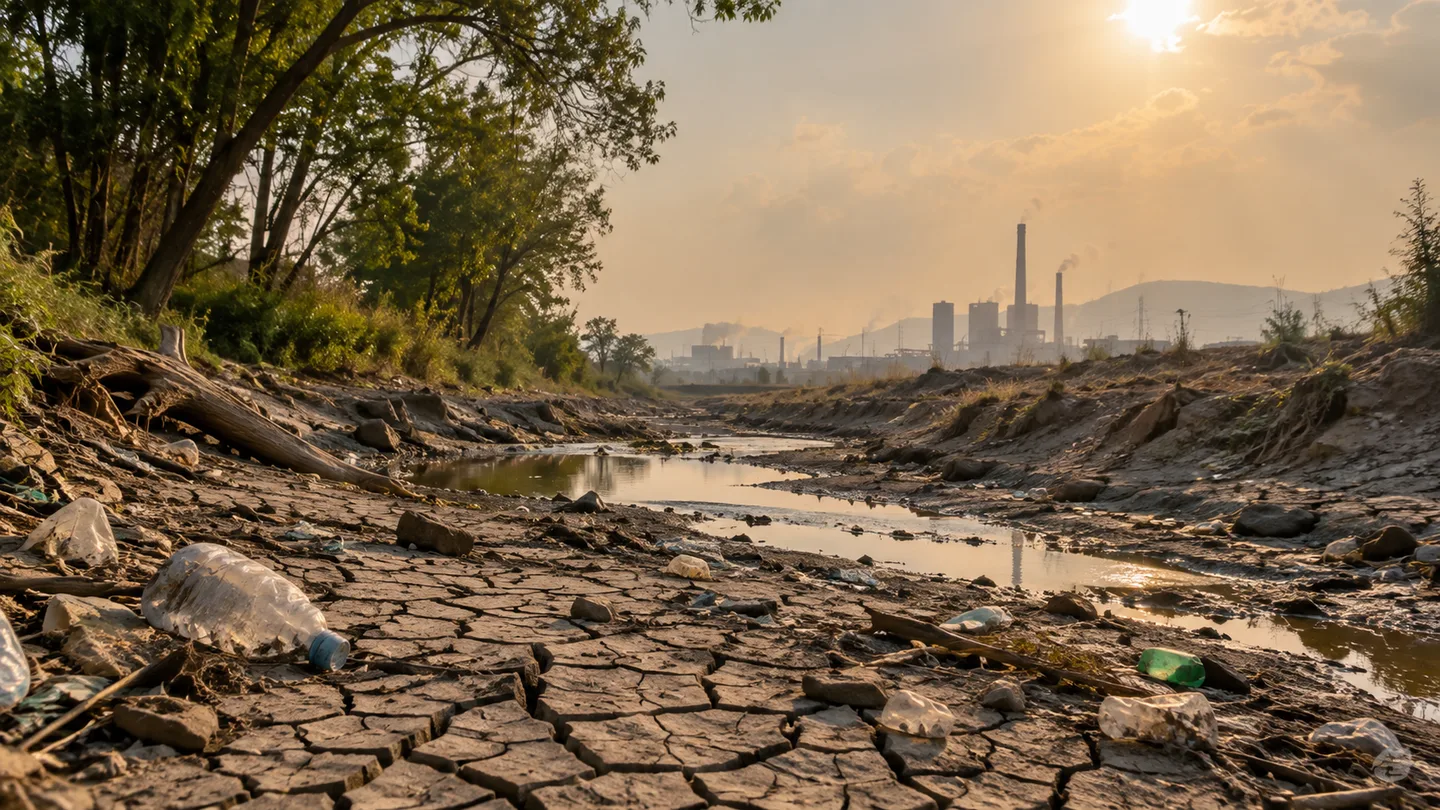
Shared places carry more than scenery. A park can be somewhere to rest or meet a neighbor; a waterway can connect habitats and communities across boundaries that are invisible on a street map. When these places are neglected, the consequences belong to more than the person who first notices the problem. Environmental care asks us to think beyond a single visit and beyond the edge of our own property. It also asks whose access and experience are being considered. A cleaner-looking site is valuable, but lasting stewardship includes attention to the conditions that keep creating damage and the people who live with it.

Location & context

Austin discovery connection from the official provider. Exact program eligibility and locations remain separate.

Efforts connected to this areaArea markers are spread for readability, not service addresses. Check the Effort before travelling.

In the searched area · 1

Festival Beach Food Forest Stewardship — AI-generated thematic illustration
Festival Beach Food Forest

Festival Beach Food Forest is an edible landscape on public parkland that neighbors help care for together. Volunteers water, weed, mulch and plant, learning about soil, forest gardening and locally grown food through the work itself. People can visit and harvest, while organized workdays offer a way to contribute alongside others. The monthly gathering and seasonal weekday sessions create different opportunities to take part.

Austin
CONNECTED BY WHAT MATTERS

Keep the connection going

Austin

Explore Festival Beach Food Forest Stewardship to understand the work, the people involved and the ways you can connect. Start with the program overview, then follow the official page to learn about the services or activities that interest you. Consider which part fits your needs or the contribution you want to make, and save a practical next step to return to.

Austin

Festival Beach Food Forest brings neighbors together to care for an edible landscape on public parkland. Volunteers water, weed, mulch and plant while learning about soil, forest gardening and locally grown food. The forest is open for people to visit and harvest, and workdays offer a supported way to contribute to its care.

Austin

Adopt-A-Creek gives a group an ongoing relationship with a particular creek segment. Members organize people around that place and return to care for it over a multi-year commitment. The work can include collecting litter, controlling invasive plants and restoring habitat, with the program providing a framework for support and coordination.

Austin

Adopt-A-Park connects a community group with the continuing care of a public park. Austin Parks Foundation and Austin Parks and Recreation collaborate on the program, while groups organize volunteers and involve neighbors in caring for a place they share. The first step is to explore eligible parks and express interest in joining.

Austin

The Trail Conservancy organizes volunteer care for the Ann and Roy Butler Hike-and-Bike Trail and surrounding parkland. Tasks include litter cleanup, planting, mulching and invasive-plant removal. Staff provide tools and training, so people can join without prior experience after registering for an event. Work takes place at different points along the trail, bringing volunteers into particular sections of a larger shared landscape.

Austin

Ecology Action invites individuals and groups to help restore Circle Acres, a former landfill being transformed into a nature preserve. Projects include trail care, mulching, litter removal, planting and watering trees. Participants sign up in advance and read the safety information, with group schedules arranged through the organization. The work changes with the season, the group and conditions on the ground.

Austin

Hill Country Conservancy connects people with Central Texas landscapes through trail cleanups, guided nature experiences and conservation learning. A volunteer event offers hands-on care for a shared trail, while a guided visit gives participants a way to learn about habitats and water resources. People choose an event from the calendar and follow its participation arrangements.

Austin

Pease Corps connects volunteers with the care and restoration of Pease Park. Organized projects include tree planting, canopy and lawn restoration, and removal of invasive species. Individuals choose an event and register, while community groups use a separate request form to arrange a suitable opportunity. The work takes place within a public green space that many people use and share.