moment mori.

CapMetro Board Meetings and Public Comment

CapMetro board meetings give people a way to observe the public body’s work and participate through public comment. The meeting information connects current agendas and materials with instructions for attending or speaking. Comment routes include in-person and remote procedures, allowing someone to understand how to contribute before choosing a meeting. A participant can read the materials, listen to the discussion and decide whether to make a comment through the official process.

Austin-region transit relevance; this is an agency participation process, not a service address or city-residency eligibility rule.

Follow keeps a connection in your feed and Mosaic. Bookmark keeps a page for later. Update notifications are not active yet.

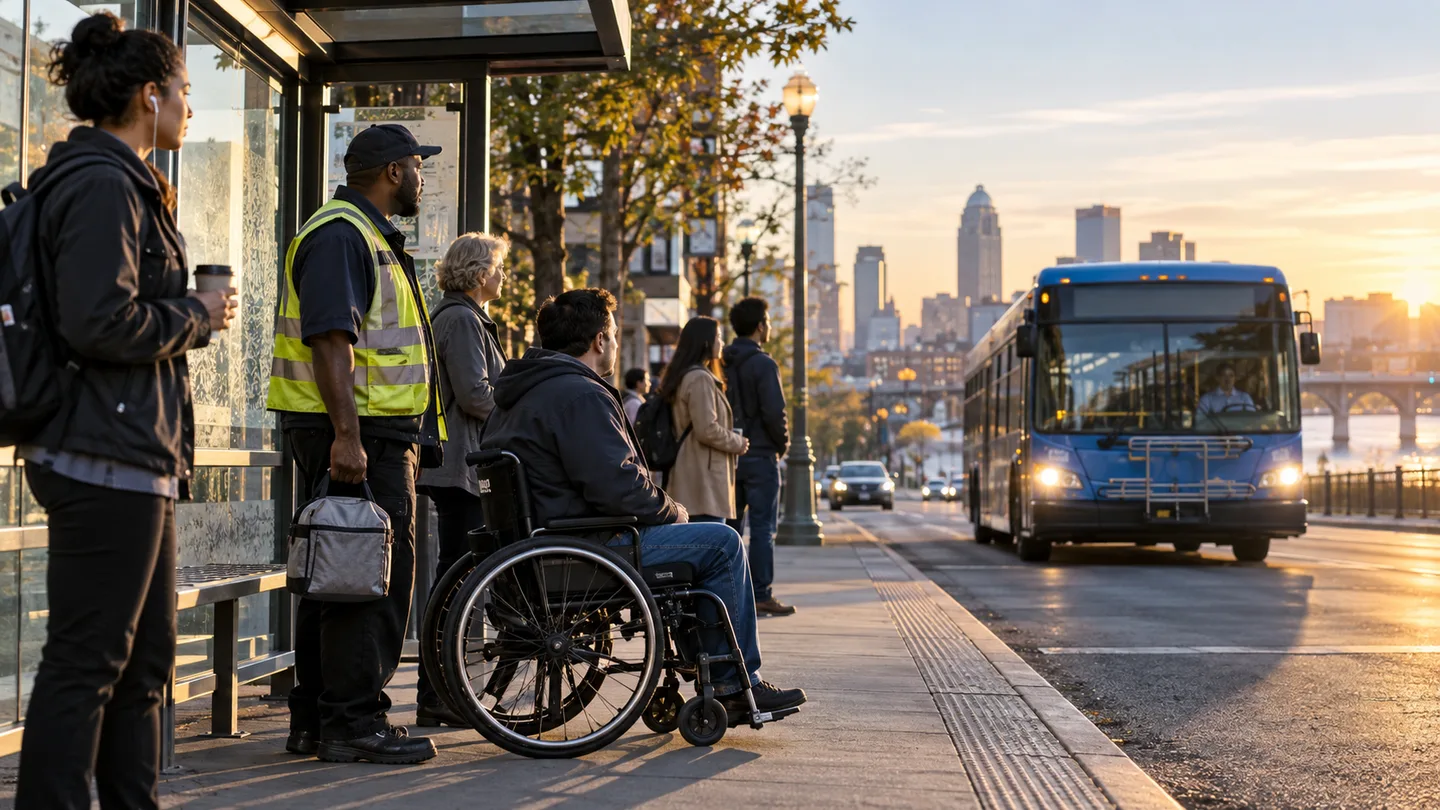
CapMetro Board Meetings and Public Comment — AI-generated thematic illustration

Plan your connection

Phone
512-369-6040
Email
boardofdirectors@capmetro.org
How to apply
Register in person outside the boardroom, or contact the board liaison at least two hours before the first meeting of the day to speak remotely.
Venue
Rosa Parks Boardroom at CapMetro headquarters on East 5th Street; consult the current agenda before attending.
Accessibility
Reasonable modifications and equal access to communications are available on request through the board liaison.
How to take part
In-person meetings and remote public comment; live streams and recordings are available.

The work in practice

CapMetro board meetings give people a way to observe the public body’s work and participate through public comment. The meeting information connects current agendas and materials with instructions for attending or speaking. Comment routes include in-person and remote procedures, allowing someone to understand how to contribute before choosing a meeting. A participant can read the materials, listen to the discussion and decide whether to make a comment through the official process. The recurring meetings provide a connection between everyday transportation concerns and the public decisions surrounding the transit system, without requiring someone to take a particular position.

Why this work matters

It is easy to imagine a journey from the perspective of someone with a car, a flexible schedule, and no difficulty walking between stops. Those assumptions do not describe everyone's day. A trip may involve a mobility aid, a child, an unfamiliar booking process, or a destination outside the nearest service boundary. The result can be a gap between something existing nearby and being genuinely accessible. Transportation matters because it shapes which choices people can act on. A useful conversation therefore starts with real origins, destinations, and constraints rather than assuming that proximity alone means a person has a workable way to travel.

Location & context

Austin-region transit relevance; this is an agency participation process, not a service address or city-residency eligibility rule.

Efforts connected to this areaArea markers are spread for readability, not service addresses. Check the Effort before travelling.

In the searched area · 1

CapMetro Board Meetings and Public Comment — AI-generated thematic illustration
CapMetro

CapMetro board meetings give people a way to observe the public body’s work and participate through public comment. The meeting information connects current agendas and materials with instructions for attending or speaking. Comment routes include in-person and remote procedures, allowing someone to understand how to contribute before choosing a meeting. A participant can read the materials, listen to the discussion and decide whether to make a comment through the official process.

Austin
CIVIC STATUS

official participation process published

Use current official requirements. An inquiry, registration or listed opportunity does not guarantee admission, availability or an outcome.

Official reported status is not proof that this project is operating today.
CONNECTED BY WHAT MATTERS

Keep the connection going

Austin

Explore CapMetro Board Meetings and Public Comment to understand the work, the people involved and the ways you can connect. Start with the program overview, then follow the official page to learn about the services or activities that interest you. Consider which part fits your needs or the contribution you want to make, and save a practical next step to return to.

Austin

Attend or comment at a CapMetro board meeting. CapMetro board meetings give people a way to observe the public body’s work and participate through public comment. The meeting information connects current agendas and materials with instructions for attending or speaking. Comment routes include in-person and remote procedures, allowing someone to understand how to contribute before choosing a meeting.

Austin

CapMetro Access provides shared rides for people whose disabilities prevent them from using the accessible fixed-route system for some or all trips. The service connects eligible passengers from their origin to their destination within its defined area. Certification considers each person’s functional travel abilities through an application and in-person assessment. After approval, riders arrange trips through CapMetro Access.

Austin

CapMetro Travel Training helps people build confidence using accessible buses and trains. Participants work through the practical steps of a journey, from reading routes and schedules to boarding, paying fares, making transfers and reaching their destination. Training can be tailored to an individual or a small group and repeated at the learner’s pace.

Austin

Drive a Senior connects older adults with door-to-door transportation and personal support across Central Texas. Volunteer drivers use their own vehicles and choose rides that fit their schedules, helping clients reach care, services and everyday connections. People seeking rides begin with an application and a conversation about their transportation needs. The service is provided without charge.

Austin

CapMetro Pickup uses an on-demand shared shuttle to connect people with destinations and transit links inside defined service zones. Riders begin by looking at the zone that covers their intended trip and learning how booking works. The service is organized around local journeys rather than a single fixed route through the whole city.